
Controlled Grain Flow in Orthopaedic Forging
Insights into controlled grain flow, thermo-mechanical processing and metallurgical consistency within orthopaedic forging operations for OEM implant manufacturing.
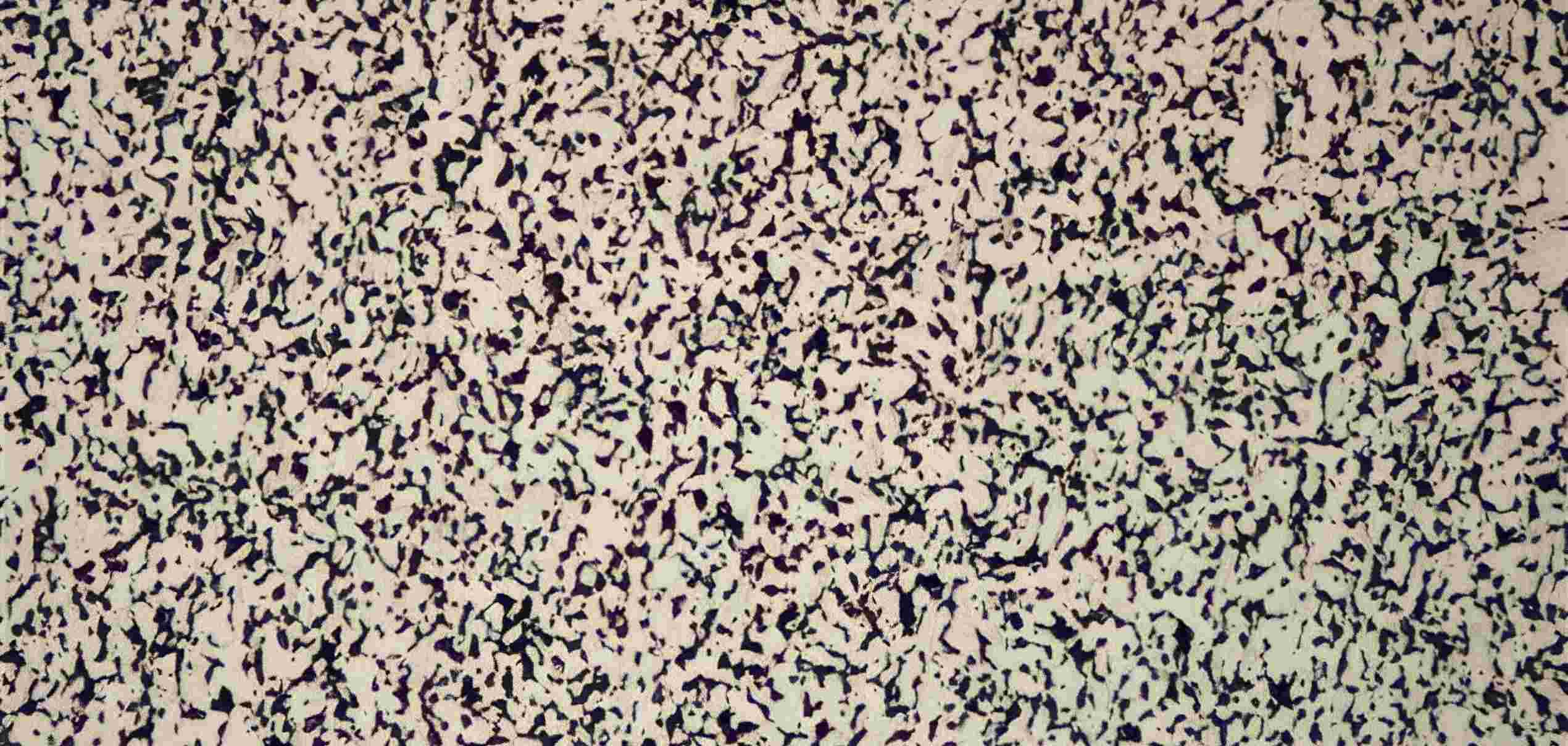

Understanding material flow
Orthopaedic implant components are exposed to cyclic loads, mechanical stress and demanding long-term performance requirements. In forging operations, material flow and thermo-mechanical processing directly influence structural integrity, fatigue resistance and consistency across production volumes.
SMB Medical supports orthopaedic OEM manufacturing through controlled forging processes developed for high-precision implant applications.
Why grain flow matters
During forging, material deformation aligns the internal grain structure of the metal according to the geometry of the component. This controlled grain orientation supports mechanical continuity and contributes to fatigue resistance in load-bearing orthopaedic applications.
Compared to fully subtractive manufacturing approaches, forging enables optimized material properties while supporting structural consistency and repeatability across industrial production environments.

“Controlled grain flow contributes directly to fatigue resistance and long-term mechanical reliability in load-bearing orthopaedic components.”
Thermo-mechanical process control
Forging performance depends on multiple controlled parameters including:
- temperature management
- deformation sequence
- tooling geometry
- cooling conditions
- material traceability
These variables influence grain refinement, dimensional consistency and repeatability throughout production.
Integrated process control supports stable manufacturing conditions for orthopaedic OEM programs requiring scalable and reliable production environments.
Manufacturing integration
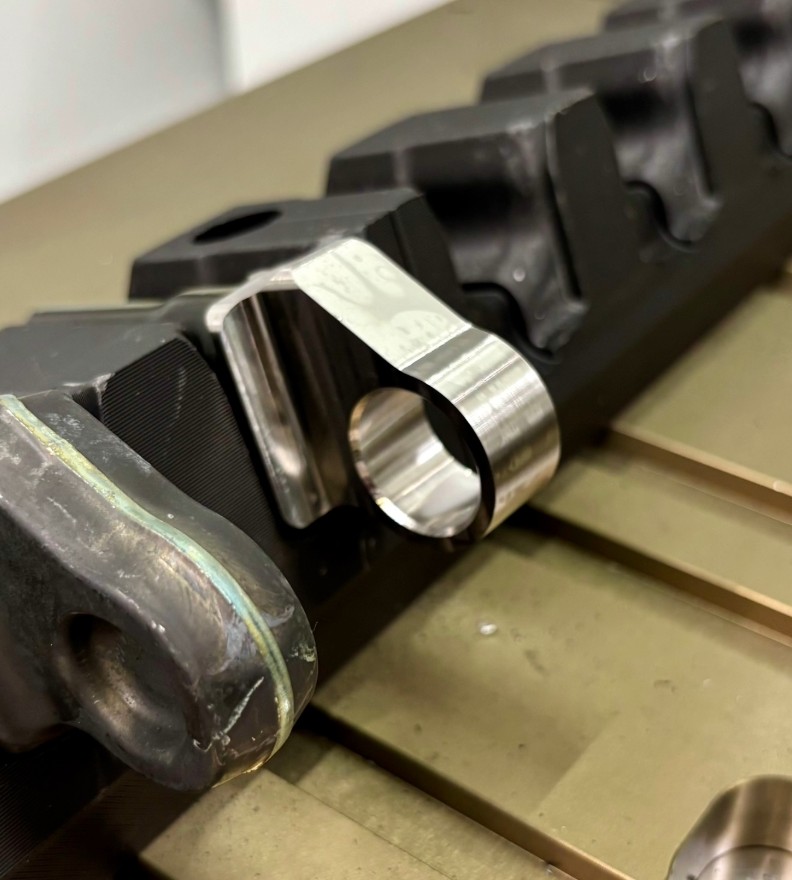
Forged components typically continue through precision machining, finishing and validation processes before final inspection.
Integrated manufacturing environments support:
- dimensional accuracy
- process continuity
- traceability
- scalable production capacity
This approach allows OEM partners to combine metallurgical performance with industrial repeatability.
Controlled performance for orthopaedic manufacturing
Forging remains a critical manufacturing route for orthopaedic implant applications requiring structural integrity, repeatability and long-term mechanical reliability.
SMB Medical integrates metallurgy, forging, machining and finishing capabilities to support orthopaedic OEM manufacturing across multiple implant segments.
.jpg)
